Showing posts with label natural ingredients. Show all posts

Friday, 20 June 2014

DIY vs. Chemistry

Image source
Whenever a movement becomes popular there will be people who espouse that way of life without full understanding, and there will be the push back and criticism from others. Such is the case with living a green life and trying to avoid toxic ingredients.


Can We Trust Commercial Products?

One way people try to be more eco-minded is with household cleaners and personal care products. Without a chemistry degree and knowledge of how chemical compounds react and affect the human body, I find it difficult to know the difference between greenwashing products that throw around buzz words like "natural" and "eco", and truly non-toxic products. I am a diligent product ingredient reader, but I may not know what sodium chloride, laurel glucoside, sodium laureth sulfate, ethylene oxide and 1,4-dioxane are. They may or may not have toxic effects on humans, but I cannot trust that they are safe, or assume that they are dangerous, if they are listed in product ingredients.

In case you are wondering, sodium chloride (salt) and laurel glucoside (a surfactant from coconut oil and sugar) are fine, but ethylene oxide, sodium laureth sulfate and 1,4-dioxane, which can be found in soaps, are not fine. But I did not know this without doing some reading because I only studied chemistry until grade ten. How many people do this before they go shopping and grab dish soap or shampoo off the shelves? I am, therefore, electing to learn how to make my own products rather than reading about each and every ingredient in the commercial ingredients I purchase.

Is the Eco Movement Uninformed About Basic Chemistry?

The pushback is coming in the form of "science defenders" who feel the need to point out chemicals are not bad, and that everything is made of chemicals. If we make our own cleaning products from vinegar, salt, or baking soda we are idiots because these too are just chemicals. Chemicals and chemical compounds are natural because they are a part of everything and naturally occurring. How silly of people to make natural cleaners that are really just chemical compounds.

Continue reading at The Green Phone Booth>>>


Wednesday, 8 January 2014

Using Aloe to Treat Burns

The internet is full of information about the wonders of the aloe plant. It can be used as a digestive aid, as a source of vitamins and minerals (vitamin A, C, E, B3, B6 and even B12), it can be used for detoxifying, and as an immune booster.

It is aloe's ability to heal and rejuvenate the skin that I appreciate on a regular basis. As a chid visiting Hawaii with my family I became aware of aloe for skin burns. It seemed like each trip someone in the family would get a sun burn because people were not aware of the impact of sun damage as we are today. In fact, I don't remember using sunscreen with anything stronger than SPF 6 growing up. Luckily the complex where we stayed had aloe vera growing in the gardens so my mother would cut off a small piece, open up the stalk and rub the gel on our tender, stinging skin.

I have three aloe plants growing in my front, south facing window for first aid purposes today. In the fall my nine year old was helping me chop ingredients for my fire cider, and she forgot to wash her hands after cutting up red hot peppers. Unfortunately she touched her eye and immediately regretted it. She was wailing in agony from the burning and stinging. A little bit of the aloe gel rubbed on her eye gave her instant cooling relief. We reapplied the aloe gel an hour later when the burning sensation began to return and then she was fine.

This week I noticed that we are almost out of my fire cider. Even though it has a very strong odour (the onions and horseradish will do that), it is delicious as a salad dressing when mixed with oil. I decided to prepare some more fire cider for us and set about chopping up the ingredients.
My fire cider all prepared and ready to infuse the apple
cider vinegar for a few weeks.

I should have realized how hot the red peppers were when I rinsed them out after removing the seeds. My throat choked up when I breathed in. Yes, they were that hot, which I hope will make a delicious and potent fire cider.

When I finished chopping up all the ingredients and placing them in the glass jars with apple cider vinegar, I dutifully washed my hands. I gave them two very good scrubbings with dish soap to ensure we wouldn't have a repeat of what happened to my daughter.

Rubbing the aloe gel on my hands.
Unfortunately this wasn't enough, because when I sat down to respond to my students' new year journal entries, my hands began to sting. At first I didn't realize what was going on. Then when the sting became a searing burn. I was in agony! Luckily my daughter reminded me of how we treated her eye because in my pain I forgot about the aloe in my living room. She had to help me open doors and drawers because my hands hurt too much to touch anything.

After cutting the stalk off the plant and removing the spiky sides with a knife, I sliced it open length-wise. I applied the gel directly to my skin and slathered it all over my hands, front and back. The gel is cool and soothing and my hands felt much better. Later that night I had to reapply when the burning sensation started returning, but then it felt fine.

If there is any left over aloe I recommend removing it from the green part of the plant and putting it in a sealed jar so that it doesn't dry out and it is ready for the next skin emergency.

Next time I make my fire cider, or anything else with hot peppers, I think I will wear gloves!


Saturday, 28 September 2013

My Top 11 Uses for Coconut Oil

I realize that the blogging world is buzzing with ways to use coconut oil, and the big natural health bloggers have been extolling the virtues of coconut oil for some time. I probably have dozens of pins on Pinterest for the uses of coconut oil, and I have two ebooks on my Kindle about why it is so beneficial for people to use. I would like to share my journey into the wonders of coconut oil.

There is much debate in the medical and natural health world about whether coconut oil is the new wonder food and can doing everything from curing dementia to weight loss, or that promoting it's health benefits are akin to selling swamp land in Florida. One side says it raises cholesterol and is only healthier when compared to butter, the other says that it actually lowers the bad cholesterol and raises the good cholesterol.

I slowly stared using coconut oil to fry and sauté food when I began turning away from vegetable oils. I researched PUFA oils (poly unsaturated fatty acid), which are in omega-3 and omega-6 rich oils. I read about the dangers of getting oil from some omega-6 rich products like corn, seeds and soy without a heavy manufacturing process that exposes the oil to oxidation and chemical solvents. Then to keep the oil from going rancid, it is treated with more chemicals. To top it off, the oil oxidizes even more when used to cook at high temperatures, which can contribute even more to free radicals. Also, our bodies need less omega-6 oils than omega-3, so we may be eating more of the wrong kind of oil. So while PUFA oils are held up as healthy, low fat oils, they are not. There is also the issue that low fat may not be the healthiest way to eat. (source) In the end, I'm not sure that I want to eat oil that is not possible to obtain without heavy manufacturing. Just grind corn or grape seeds and you can see that there is no visible oil present, compared to the cream rising to the top of whole unhomogenized milk and when squeezing olives.

I still love olive oil (extra virgin oil is easily obtained without heavy chemical manufacturing) but it is not ideal for cooking because of the omega-6 content that can oxidize with heat. I have moved toward butter as a "real food", it also does not do well for cooking at higher temperatures.

Enter coconut oil. It has been used for centuries for nutrition and health by practitioners of ayurvedic medicine. For example, oil pulling involves daily rinsing of the mouth with coconut oil for healthy teeth and gums because coconut oil is naturally anti-bacterial and anti-fungal. It is also used for detoxing and a multitude of other health benefits.

Virgin coconut oil (VCO) is processed by pressing the "meat", which is cold pressed, to obtain the oil, although some heating occurs due to the pressure so cooling is required to keep the oil from heating up and therefore oxidizing. Some coconut oil is processed using extreme heating and chemical processes, but it is not labeled virgin coconut oil and is therefore easy to avoid. Because coconut oil is slow to oxidize it does not go rancid for a long time (two or more years), which is not the case for most oils.

I must admit that at first it took me a while to get used to the taste of food cooked in coconut oil. I have never been a fan of the flavour of coconut. As with anything new, though, once I gave it time I began to enjoy the flavour. I started talking to people about coconut oil and heard how they were using it. Some put it in smoothies, others use it for skin moisturizer.

What? Skin care? This sent me down a whole new rabbit hole. It was at this point that I was also researching ways to detoxify my personal care products like makeup, moisturizer and cleanser, shampoo and conditioner, and the two paths collided. I began using coconut oil for basically anything you could imagine. My bathroom counter now resembles my kitchen counter (because along with coconut oil, I use honey, apple cider vinegar and Himalayan pink salt for personal care products). My daughters have jumped on the coconut oil bandwagon with me and together we are continually trying it for new purposes.


Here are my top 11 uses for coconut oil:

  1. Higher temperature cooking, such as stir frys and sautés 
  2. Lard substitute in baking: my favourite is using when making homemade flat breads - I substitute butter or lard with coconut oil 1:1
  3. Dry feet soother: massage clean feet with generous amounts of coconut oil at night, put on an old pair of socks and leave overnight. Buff the dry areas with a pumice stone to remove the dead skin. Repeat this as often as needed until the dry areas, such as heels, are soft and smooth.
  4. Homemade dark chocolate: this is my favourite chocolate treat now and it is very quick and easy to make.
  5. Face moisturizer: I rub a very small amount (perhaps a pinky nail's worth) of coconut oil into the palms of my hand to melt it, then I massage it into my face after washing. I prefer doing this at night time so that it has time to be absorbed into my skin (I don't like the oily sheen in the morning when I head out for the day). 
  6. Skin conditioner: after a bath or shower, particularly in the evening, I massage the oil into my skin all over my body. 
  7. Shaving cream: in the summer when I do shave my legs, I sometimes use coconut oil in place of castille soap for shaving. I can skip the previous step of moisturizing my legs after a shower as the coconut oil "shaving cream" leaves my legs silky soft.
  8. Sunburn soother: I try to be careful in the sun, but occasionally I get too much and have a sunburn. Coconut oil not only moisturizes the skin after a burn, it soothes the sting of a burn. Reapply as frequently as needed (several times a day), especially with a bad burn.
  9. Hair conditioner: I use the "no 'poo" method to wash my hair (either nothing but water to wash, or baking soda / apple cider vinegar) and but occasionally I need to do a deep condition. I melt a small amount (teaspoon or less) in the palms of my hands and massage into my scalp and hair. I leave it in my hair until the next time I wash it and put my hair in a bun or pony tail for the day. 
  10. Mouth canker sore soother: I have found putting coconut oil topically on my canker sores (which I am quite prone to) soothes the pain. After the initial sting, the pain is gone for up to an hour, which is as long as other over the counter remedies work for me.
  11. Bug bite soother: my oldest daughter discovered this one - whenever she feels a bug bite itching she applies coconut oil to the area and it relieves the itch and sting. She just reapplies when it returns. 


Tuesday, 4 September 2012

Lightening the Laundry Load Part One: Soap Nuts

As a family of five, three of whom are young children, we do a great deal of laundry. Currently we do on average about five loads per week. When my children were infants, and when I used cloth diapers (which I will discuss in a future post), we did perhaps three loads over two days. There are periods when we do more, such as when the stomach 'flu hits our home or when we have nighttime accidents.

Just one or two of the of the many, many loads we do per week.


Because of the frequency with which we use our washing machine and dryer, I have sought ways to lighten our environmental load when doing the laundry. The first step is using the cold cycle to wash and rinse, which many people do now, so this is a no-brainer. Energy star appliances are another step.

I think most people upgrade to energy 
star appliances when they need to replace older models.


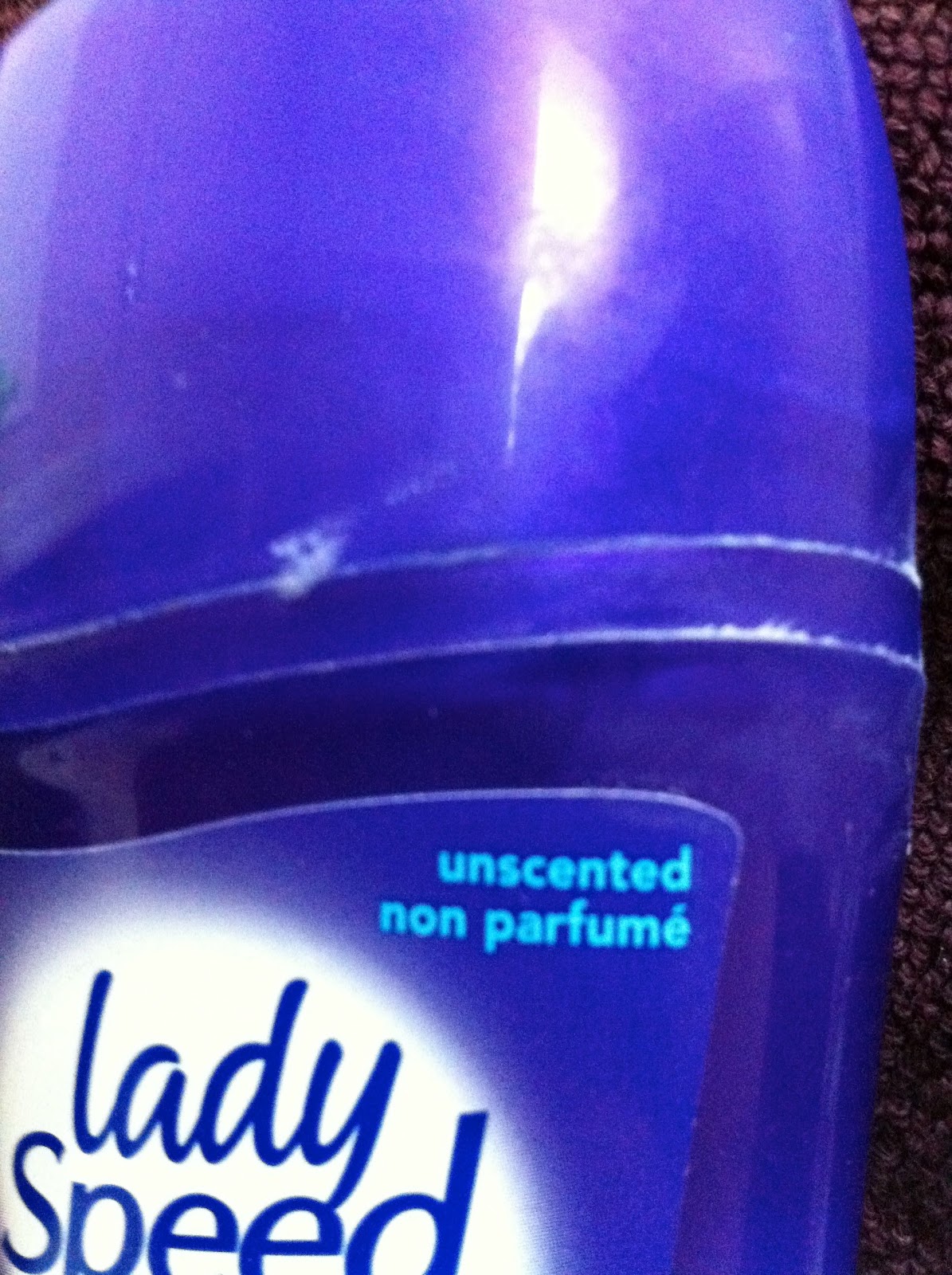
My husband has asthma and both of us have sensitivities to scents and additives, so we have always used unscented laundry detergent. For years I thought this was enough. I am amazed at the impact that scents in detergent can have on me. If we stay with someone who uses scented detergent I immediately have problems breathing and sometimes even get a headache. My husband has an even stronger reaction than I do. So far our children don't seem as sensitive, but then again we don't have strong scents around them on a regular basis. I don't think people realize how toxic synthetic scents can be, and after careful label reading I have noticed that even "unscented" products contain perfume!

Note the "unscented" label on this antiperspirant. But is it really?

Sorry for the quality of the photo, but on the second to last line of 
ingredients listed is "parfum", a fancy word for fragrance or scent, 


When both my husband and I still noticed sensitivities to laundry detergent, and after doing research into the ingredients of conventional detergents, I sought alternatives. I've tried various "green" detergents, and while I have not noticed sensitivities, I do not like the cost. I also do not like the pseudo green products on the market that can dupe the consumer into thinking they are green with clever marketing tactics, a problem that is now called greenwashing. It takes so much energy when shopping to read labels after doing extensive internet research into ingredients to determine if they are toxic (as I am not a chemist- never took chemistry past grade 10 actually). It really doesn't seem fair that the onus is on the consumer to be aware of this. Don't get me started on the government lacking the political will to regulate companies and have them be honest about what goes into their products.

I can't remember how I discovered soap nuts. After some research into the pros and cons, and discovering some friends who use soap nuts, I decided to give them a try. I haven't been able to purchase soap nut in its whole form (throw them in the wash in a mesh bag) locally. I purchased some at a local store that are ground up in a filter-like bag that you throw into the wash and then toss when finished. When our current box is gone I plan on ordering whole soap nuts from an on line company I have found (the dried nuts, which are actually berries, go into the wash in a mesh or cloth baggie).

This is a box of 30 individual packets of ground soap nuts.


The packets are single use. Soap nuts are compostable, although I'm 
not sure if the packet material can be recycled or composted 
(they seem to be similar to coffee filters so I assume they can be).


So do they work? Yes. We have not noticed any difference in our laundry - clothes come out just as clean (caveat: see thoughts on stains below) and there have been no sensitivity reactions. Some people have complained about an odd smell when the clothes are wet, which we have not noticed. I think that perhaps those that notice an odd odour are not used to washing their clothes without scented detergent to mask the smell (?) of wet cloth. I am not sure if this is related to the soap nuts or the nature of my messy kids, but I have found that stains require more pre-treatment lately, which I am not very good at remembering to do. If you see a child walking around with a visible record of what they have eaten on their clean clothing (tomato sauce, anyone?), they may be mine. However, in a future post I will discuss my stain remover secret.

I have read some criticisms of soap nuts from a sustainable point of view. As they are a crop grown overseas in developing countries and land must be used to grow them, it may contribute to destruction of natural habitat (although this does not seem to be the case with the minimal research I have done) or reduction in other crops for the communities that grow soap nuts (again, I'm not sure about this). Also, it is important to keep in mind how far soap nuts must travel to reach our homes. I suppose you could research where the soap nuts you purchase are grown and how the farmers and their communities are treated by the companies, but once again, unless the company is direct about this information the onus is on the consumer. Sigh.

In the end, I like using soap nuts. They are completely compostable when they are fully used (whole nuts can be used several times). They are "natural" and involve minimal processing with hopefully a low environmental impact (not sure how they harvest or what process they use to dry the berries). They are safe for use in my high efficiency washing machine. I don't have to do anything different when I do laundry, so there is no change in my routine, and which is important when trying to make an environmental change. A win for us.

Do you have sensitivities to laundry detergents? Have you tried soap nuts or other "green" laundry detergents? What works for you?