Showing posts with label toxic ingredients. Show all posts

Friday, 20 June 2014

DIY vs. Chemistry

Image source
Whenever a movement becomes popular there will be people who espouse that way of life without full understanding, and there will be the push back and criticism from others. Such is the case with living a green life and trying to avoid toxic ingredients.


Can We Trust Commercial Products?

One way people try to be more eco-minded is with household cleaners and personal care products. Without a chemistry degree and knowledge of how chemical compounds react and affect the human body, I find it difficult to know the difference between greenwashing products that throw around buzz words like "natural" and "eco", and truly non-toxic products. I am a diligent product ingredient reader, but I may not know what sodium chloride, laurel glucoside, sodium laureth sulfate, ethylene oxide and 1,4-dioxane are. They may or may not have toxic effects on humans, but I cannot trust that they are safe, or assume that they are dangerous, if they are listed in product ingredients.

In case you are wondering, sodium chloride (salt) and laurel glucoside (a surfactant from coconut oil and sugar) are fine, but ethylene oxide, sodium laureth sulfate and 1,4-dioxane, which can be found in soaps, are not fine. But I did not know this without doing some reading because I only studied chemistry until grade ten. How many people do this before they go shopping and grab dish soap or shampoo off the shelves? I am, therefore, electing to learn how to make my own products rather than reading about each and every ingredient in the commercial ingredients I purchase.

Is the Eco Movement Uninformed About Basic Chemistry?

The pushback is coming in the form of "science defenders" who feel the need to point out chemicals are not bad, and that everything is made of chemicals. If we make our own cleaning products from vinegar, salt, or baking soda we are idiots because these too are just chemicals. Chemicals and chemical compounds are natural because they are a part of everything and naturally occurring. How silly of people to make natural cleaners that are really just chemical compounds.

Continue reading at The Green Phone Booth>>>


Monday, 1 October 2012

Just Plain Old Vinegar

A few weeks ago, after accidentally smashing the glass on my cook top, we had a service agent install a new one in our kitchen. As he was cleaning up, he asked for a cleaner to wipe the marks off the surface. My husband gave him our squirt bottle with a mixture of vinegar and water, to which he responded that he wanted something that would clean properly.

I understand why people do not think that vinegar cannot do the same job as more harsh commercial cleaners. Corporations spend millions and millions of dollars on advertising aimed at making us think we will be cleaner, healthier, and therefore happier if we use their products. They will kill 99% of germs and make our home smell wonderful in the process. And don't forget that we require special, specific products for each cleaning task; a toilet bowl cleaner, a tile cleaner, a window cleaner, a floor cleaner, a surface cleaner, and on. Buy this, buy that, spend the money and your life will be somehow perfect, or at least it's what the commercials would have us believe. The ads are very convincing.
Windex, for windows!

When my oldest daughter was an infant, I believed that I was a good mother because I routinely cleaned every surface she might touch. I didn't want her fragile immune system to be compromised by those evil everyday germs all around us. Television shows alert the public to the bacteria count on everyday surfaces like toilets and cell phones, or on the cleanliness of hotel rooms, which all increase the public's fear of dirt. Of course advertisements confirm this belief, touting products to clean a child's environment. I think my mother chuckles at some memories of being in restaurants with me with my first born, scrubbing the table with either baby wipes or hand sanitizer because I could imagine the germs that were inhabiting the cloth the server used to clean the table.

As we mature and learn we know better. And as we know better, we do better. Of course I now know the dangers of a sanitized environment scrubbed of any and all germs. Some are beneficial and we need them. Some help build up our immunity as protection from the nastier bugs. In fact, the hygiene hypothesis states that we are creating allergies and possibly asthma with hyper clean environments that limit our exposure to germs that may increase our immunity. As well, the cleaning products we have been using to scrub our homes and bodies may be irritants, allergens and carcinogenic. What a double whammy - expose ourselves to harmful chemicals in an effort to clean our homes of germs that we need to be build our immunity. Please go to this link to see the harmful chemicals in the products we buy. I am not a scientist so I will not attempt to synthesize information about the toxicity of cleaning products, but please read some of the links I have included throughout this post, do your own research and learn about what corporations are getting away with; it isn't just in developing countries that known harmful agents are sold to consumers. The products are not regulated by the government  and it is buyer beware.
What to do with all these toxic products that were left in our home when we moved in? 
Can't throw them out, so they sit high in a cupboard.

With the rise of awareness about harsh cleaners and the dangers they pose to us, we have seen the increase in availability of eco or green cleaners on our grocery store shelves. Some are good, but companies are not alway forthcoming about how green they actually are. It takes a great deal of effort for the average consumer to research the safety of ingredients in products, and we often mistakenly assume that if it is being sold in a store it must be safe. Fortunately there are individuals and organizations like the David Suzuki Foundation working to educate the public about safe, non-toxic household cleaners (this link is a good start). There are companies, like Norwex, who sell microfibre cloths and non-toxic products as well.
My microfibre cloth, similar to Norwex

My choice is to use vinegar because I do not need multiple products to clean my home. It is edible, biodegradable, non-toxic, safe on skin, inexpensive (especially when purchased in bulk) and easy to use. Just google "vinegar cleaning properties" and you will have link after link touting the wonders of vinegar. It can be used to clean all kitchen and bathroom surfaces, deodorize, remove stains, clean glass and mirrors, remove soap buildup in washing machines, showers, and bathtubs, and on and on.  The only caveat is that it cannot be used on marble due to its acidic content. Combined with baking soda and a clean cloth (and old fashioned soap), I clean any and every surface in my home. People like to have their home smell clean, and some may find the smell of vinegar overwhelming at first. However, now when my family comes in the home they know I have been cleaning because of the vinegar smell (a friend suggested putting cloves in the vacuum cleaner to freshen the air when cleaning). For tough jobs I add baking soda (don't get me started on this wonder product!), use a stronger solution and a little elbow grease. My only complaint is that it comes in a plastic container which must either be recycled or reused (note to self, create a Pinterest board of plastic vinegar bottle crafts and reusing ideas).
My giant bottle of vinegar. 
Any ideas for what to do with it when it is empty?

I keep several squirt bottles of a vinegar solution around my home for easy access and I use them on a daily basis. Yes, plastic does not last forever and the squirt bottles eventually wear out, but this is a much better solution to having to recycle multiple plastic bottles of cleaning products, or even worse, having to throw them away because that type of plastic is not recyclable.

*********************************************************
Since sharing this, I have had some feedback about using vinegar as an effective disinfectant. Sometimes, isn't bleach just needed? I have been there, especially after a particularly bad bout of stomach flu that rolled through my entire family like a bulldozer. I felt the need to scrub every surface of my home. However, for most household disinfecting needs, vinegar really is enough (see link). As well, we do need to remember that we shouldn't be killing all germs in our environment. We are not a restaurant following strict health codes, and we need to make sure that we are exposing ourselves to good dirt.

Just plain old vinegar truly is enough.


Tuesday, 4 September 2012

Lightening the Laundry Load Part One: Soap Nuts

As a family of five, three of whom are young children, we do a great deal of laundry. Currently we do on average about five loads per week. When my children were infants, and when I used cloth diapers (which I will discuss in a future post), we did perhaps three loads over two days. There are periods when we do more, such as when the stomach 'flu hits our home or when we have nighttime accidents.

Just one or two of the of the many, many loads we do per week.


Because of the frequency with which we use our washing machine and dryer, I have sought ways to lighten our environmental load when doing the laundry. The first step is using the cold cycle to wash and rinse, which many people do now, so this is a no-brainer. Energy star appliances are another step.

I think most people upgrade to energy 
star appliances when they need to replace older models.


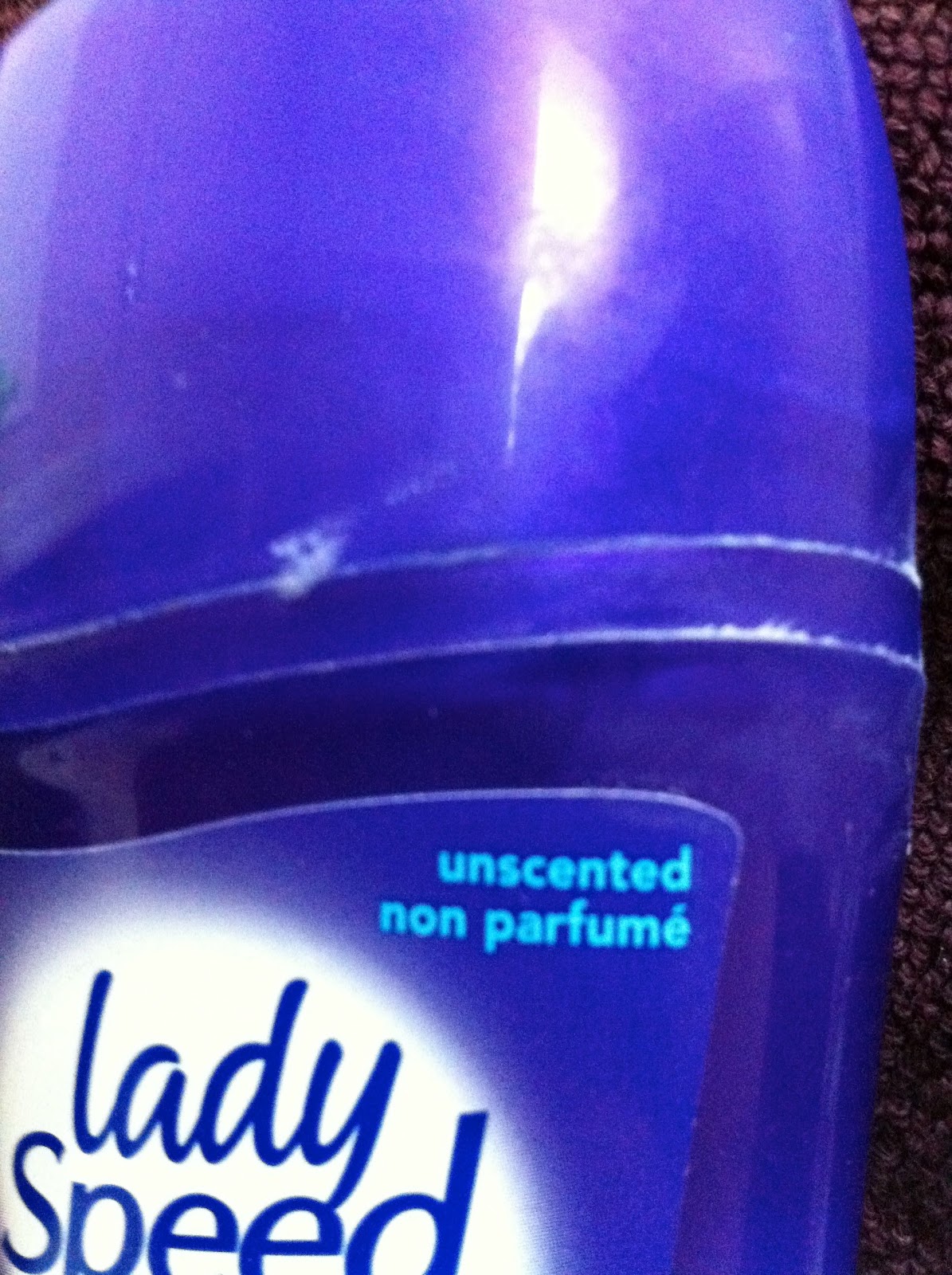
My husband has asthma and both of us have sensitivities to scents and additives, so we have always used unscented laundry detergent. For years I thought this was enough. I am amazed at the impact that scents in detergent can have on me. If we stay with someone who uses scented detergent I immediately have problems breathing and sometimes even get a headache. My husband has an even stronger reaction than I do. So far our children don't seem as sensitive, but then again we don't have strong scents around them on a regular basis. I don't think people realize how toxic synthetic scents can be, and after careful label reading I have noticed that even "unscented" products contain perfume!

Note the "unscented" label on this antiperspirant. But is it really?

Sorry for the quality of the photo, but on the second to last line of 
ingredients listed is "parfum", a fancy word for fragrance or scent, 


When both my husband and I still noticed sensitivities to laundry detergent, and after doing research into the ingredients of conventional detergents, I sought alternatives. I've tried various "green" detergents, and while I have not noticed sensitivities, I do not like the cost. I also do not like the pseudo green products on the market that can dupe the consumer into thinking they are green with clever marketing tactics, a problem that is now called greenwashing. It takes so much energy when shopping to read labels after doing extensive internet research into ingredients to determine if they are toxic (as I am not a chemist- never took chemistry past grade 10 actually). It really doesn't seem fair that the onus is on the consumer to be aware of this. Don't get me started on the government lacking the political will to regulate companies and have them be honest about what goes into their products.

I can't remember how I discovered soap nuts. After some research into the pros and cons, and discovering some friends who use soap nuts, I decided to give them a try. I haven't been able to purchase soap nut in its whole form (throw them in the wash in a mesh bag) locally. I purchased some at a local store that are ground up in a filter-like bag that you throw into the wash and then toss when finished. When our current box is gone I plan on ordering whole soap nuts from an on line company I have found (the dried nuts, which are actually berries, go into the wash in a mesh or cloth baggie).

This is a box of 30 individual packets of ground soap nuts.


The packets are single use. Soap nuts are compostable, although I'm 
not sure if the packet material can be recycled or composted 
(they seem to be similar to coffee filters so I assume they can be).


So do they work? Yes. We have not noticed any difference in our laundry - clothes come out just as clean (caveat: see thoughts on stains below) and there have been no sensitivity reactions. Some people have complained about an odd smell when the clothes are wet, which we have not noticed. I think that perhaps those that notice an odd odour are not used to washing their clothes without scented detergent to mask the smell (?) of wet cloth. I am not sure if this is related to the soap nuts or the nature of my messy kids, but I have found that stains require more pre-treatment lately, which I am not very good at remembering to do. If you see a child walking around with a visible record of what they have eaten on their clean clothing (tomato sauce, anyone?), they may be mine. However, in a future post I will discuss my stain remover secret.

I have read some criticisms of soap nuts from a sustainable point of view. As they are a crop grown overseas in developing countries and land must be used to grow them, it may contribute to destruction of natural habitat (although this does not seem to be the case with the minimal research I have done) or reduction in other crops for the communities that grow soap nuts (again, I'm not sure about this). Also, it is important to keep in mind how far soap nuts must travel to reach our homes. I suppose you could research where the soap nuts you purchase are grown and how the farmers and their communities are treated by the companies, but once again, unless the company is direct about this information the onus is on the consumer. Sigh.

In the end, I like using soap nuts. They are completely compostable when they are fully used (whole nuts can be used several times). They are "natural" and involve minimal processing with hopefully a low environmental impact (not sure how they harvest or what process they use to dry the berries). They are safe for use in my high efficiency washing machine. I don't have to do anything different when I do laundry, so there is no change in my routine, and which is important when trying to make an environmental change. A win for us.

Do you have sensitivities to laundry detergents? Have you tried soap nuts or other "green" laundry detergents? What works for you?